
Products
Products
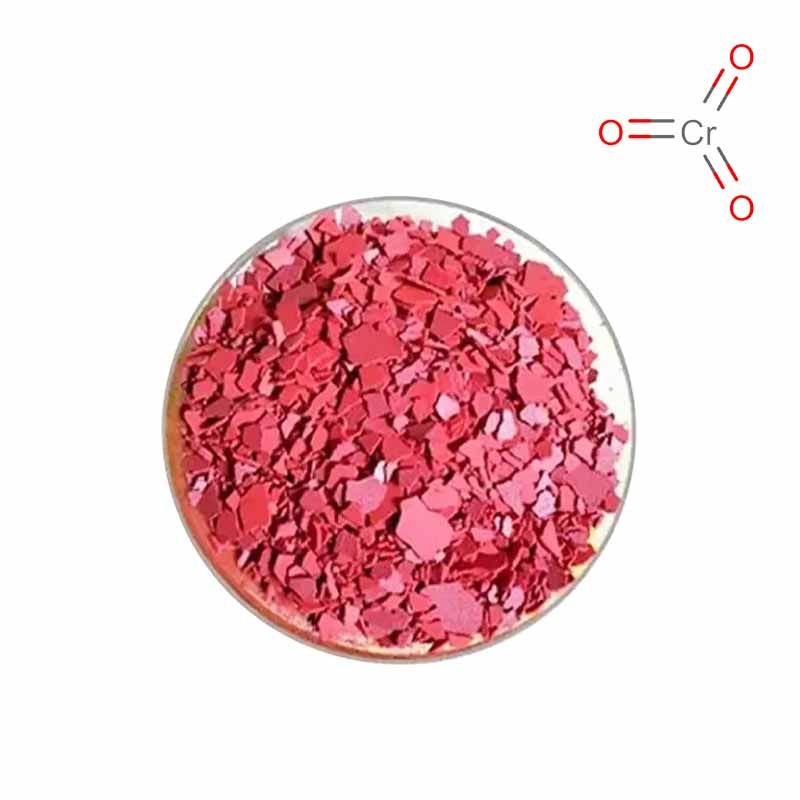
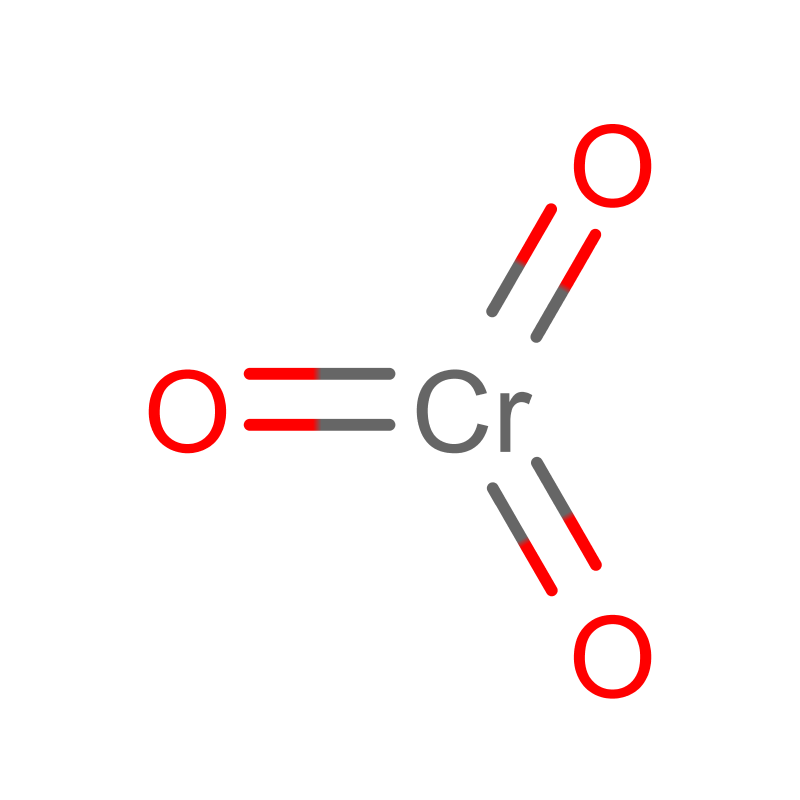
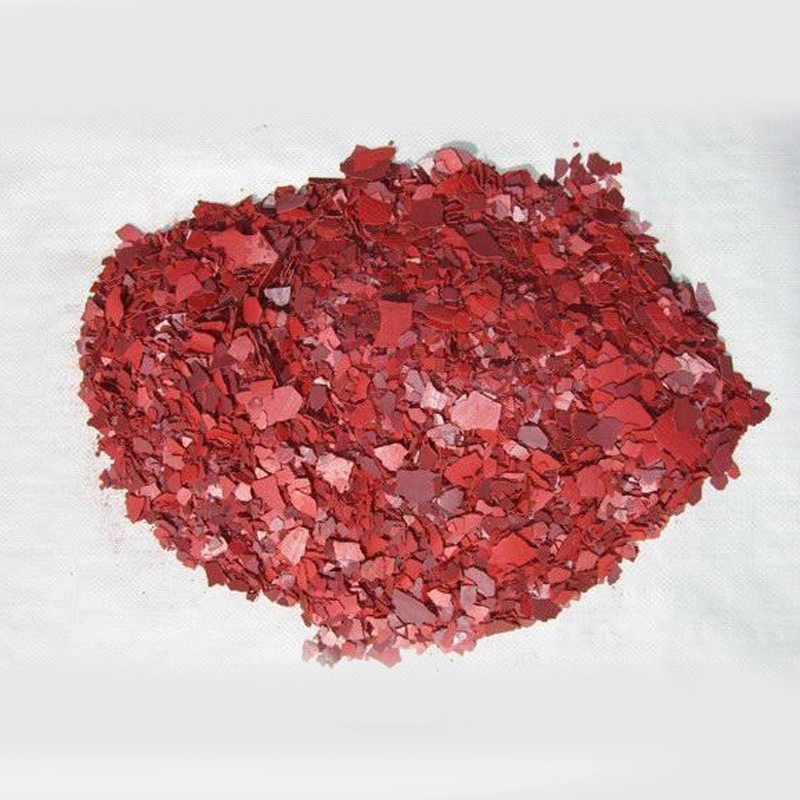
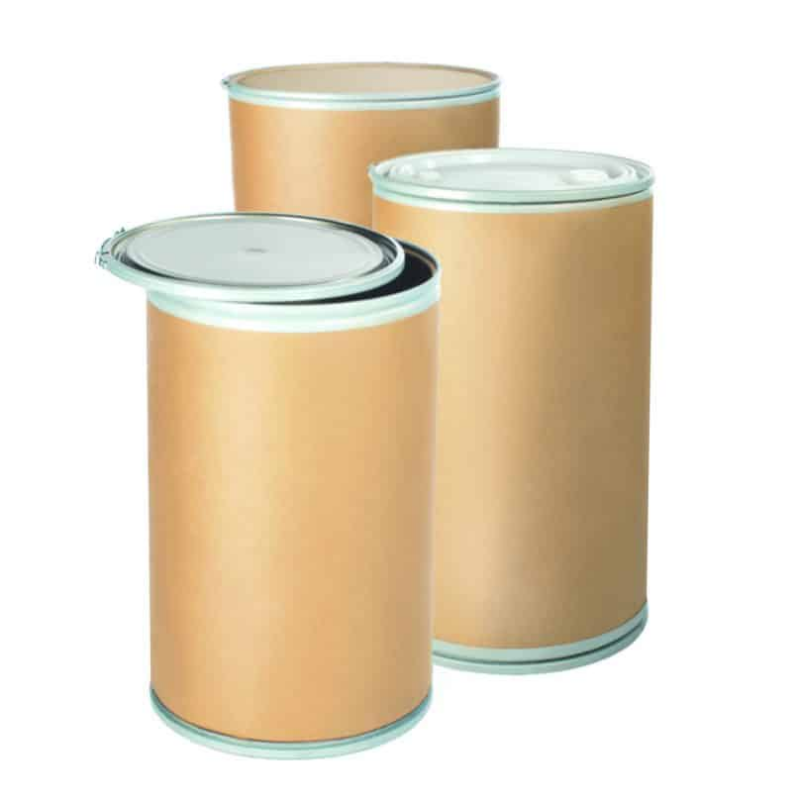
Chromium(VI) oxide CAS#1333-82-0
Exceptional Oxidizing Power:Chromium trioxide is an extremely strong oxidizing agent, highly effective in oxidizing organic and inorganic substances.
High Solubility and Versatile Compatibility:It dissolves readily in water, alcohol, sulfuric acid, and ether, enabling flexible use in various chemical processes and formulations.
Efficient Formation of Chromic Acid:When dissolved in water, it forms chromic acid, a powerful oxidizing and glass-cleaning agent widely used in laboratory and industrial applications.
Thermal Reactivity and Stability:Exhibits defined thermal behavior, decomposing at elevated temperatures (around 400°C) to form chromium(III) oxide, making it suitable for controlled high-temperature applications.
Product Description of Chromium(VI) oxide CAS#1333-82-0
Chromium(VI) oxide, also chromium trioxide (CrO₃), is dark red rhombic crystal or purplish-red flake. It dissolves in water, alcohol, sulfuric acid and ether, but insoluble in acetone, with relative density 2.70 and melting point 196°C.
It is prepared by adding concentrated sulfuric acid into cooled concentrated sodium dichromate solution, then filtered, rinsed with nitric acid and dried at 120°C.
Product Application of Chromium(VI) oxide CAS#1333-82-0
Chromium(VI) oxide is widely used for chromium electroplating and metal anti-corrosion coatings, and also applied in optical disc production.
Parameters
Safety Information


Are you a manufacturer or a trader?
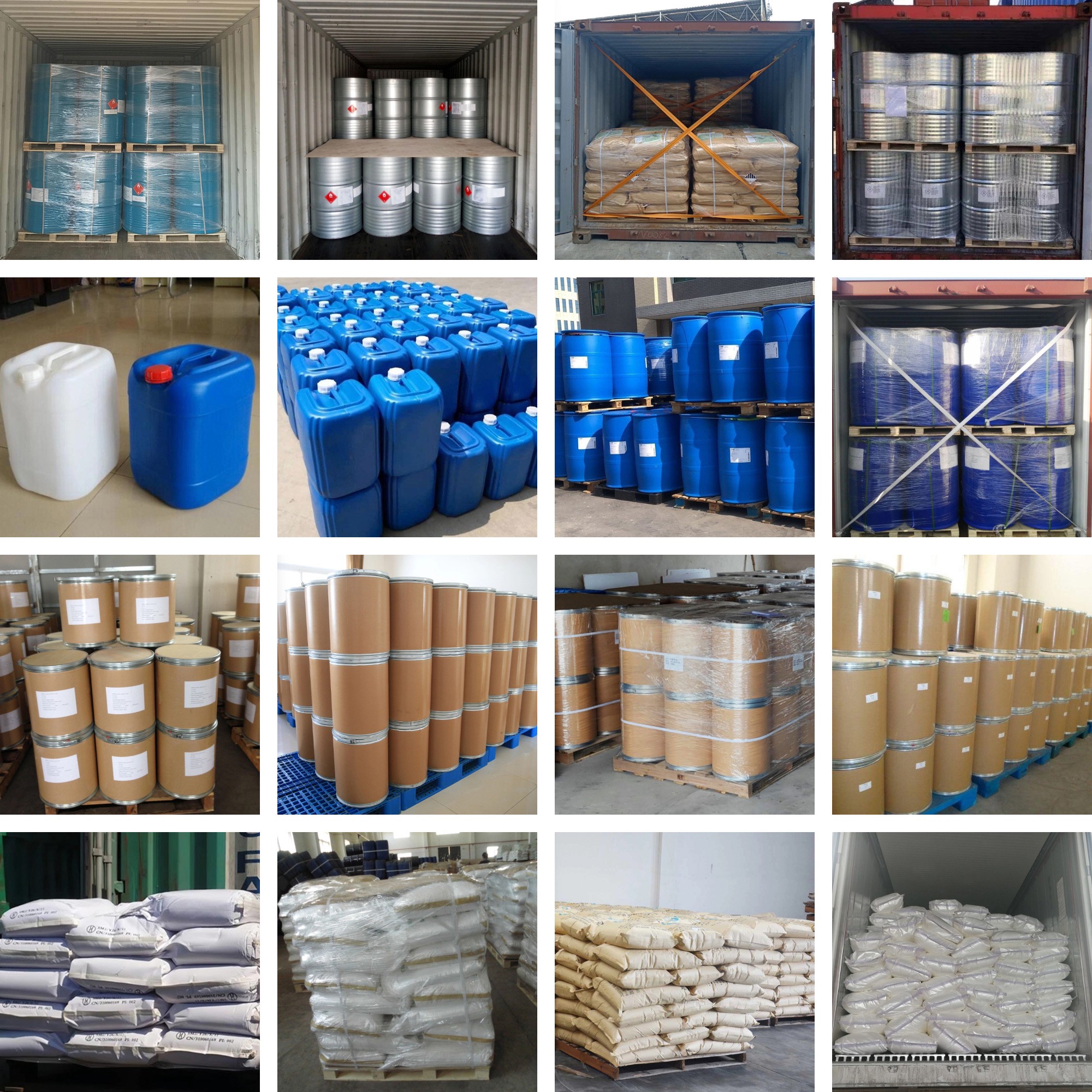
How do your overseas warehouses operate, and what are the practical benefits?
For you: You can pick up goods directly from local warehouses without the need for full-container orders; delivery times are reduced from the standard 30–45 days to just 3–5 days.
Reduced inventory pressure: You can purchase small batches for trial and quality verification before scaling up orders, avoiding the need to tie up large amounts of capital upfront.
Emergency restocking: If your production line faces a sudden material shortage, we can urgently dispatch supplies from our regional warehouses to prevent production downtime.
What is the Minimum Order Quantity (MOQ)?
How do you ensure product quality?
Before leaving the factory: We require the factory to provide a Certificate of Analysis (COA) for the specific batch.
Before shipment: We commission international third-party agencies like SGS or Intertek to conduct random inspections, with costs covered by us (for long-term partners).
After arrival: If quality issues arise, we commit to unconditional negotiation regarding returns, exchanges, or compensation, and we assume full responsibility. All terms are stipulated in the contract.
What payment methods do you accept? Do you offer credit terms?
What is the typical delivery lead time?
Overseas Warehouse Stock: Items are dispatched within 1–3 working days of order confirmation and payment; local delivery typically takes 2–5 days (depending on the country).
Which trade terms do you offer? Do you support DDP (Delivered Duty Paid)?
How can I obtain samples? What are the costs?
If shipping from China, we can arrange delivery via DHL or FedEx; samples are free, but you bear the international shipping costs. Once a clear intent to cooperate is established, these shipping costs can be deducted from your first order.
Can the contract price be adjusted if product prices fluctuate?
For fixed-price contracts, we do not unilaterally raise prices due to market increases.
If you anticipate a market downturn, we can negotiate floating pricing—settling based on a benchmark price on the date of shipment or arrival—to flexibly manage fluctuations.
What does your after-sales service include?
Usage Guidance: Assistance with adjusting processing parameters (if required).
Complaint Handling: Response within 48 hours and a solution provided within 7 days.
Regular follow-ups: Proactive contact every six months to understand changing needs and optimize supply solutions.
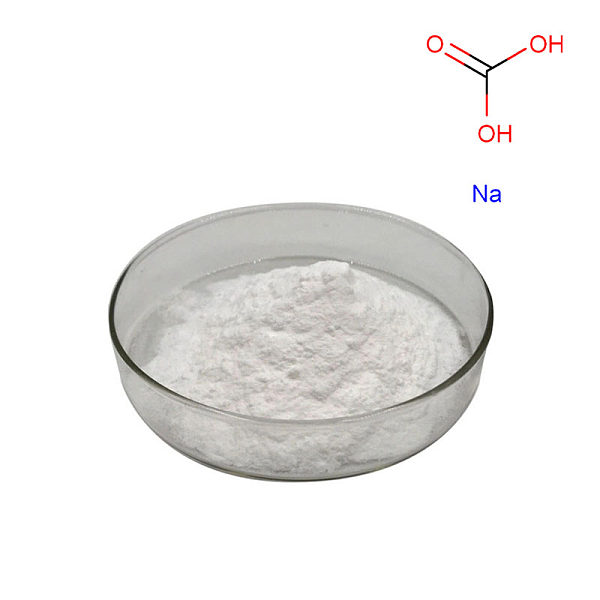
 Sodium Bicarbonate CAS#144-55-8
Learn More →
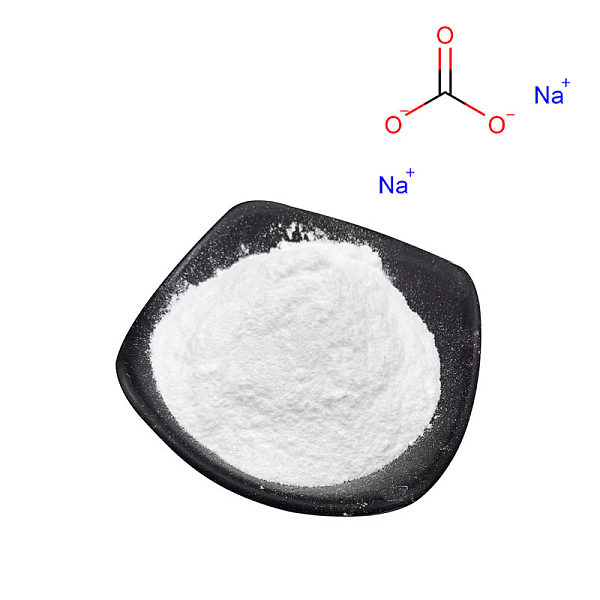
 Sodium carbonate CAS#497-19-8
Learn More →
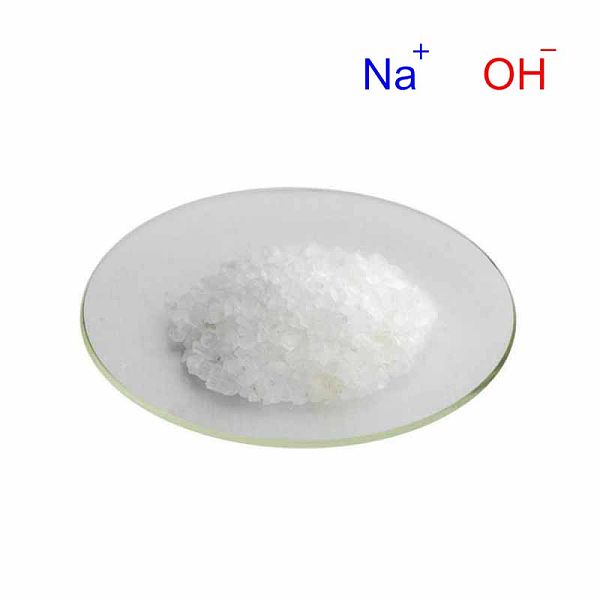
 Sodium hydroxide CAS#1310-73-2
Learn More →
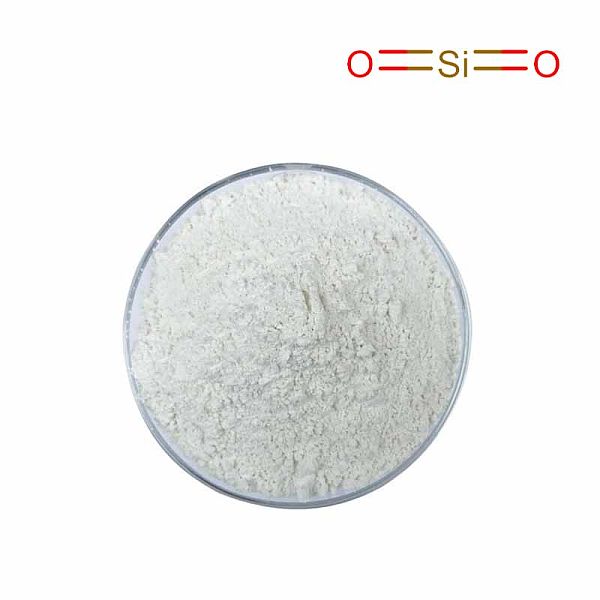
 Silicon dioxide CAS#7631-86-9
Learn More →
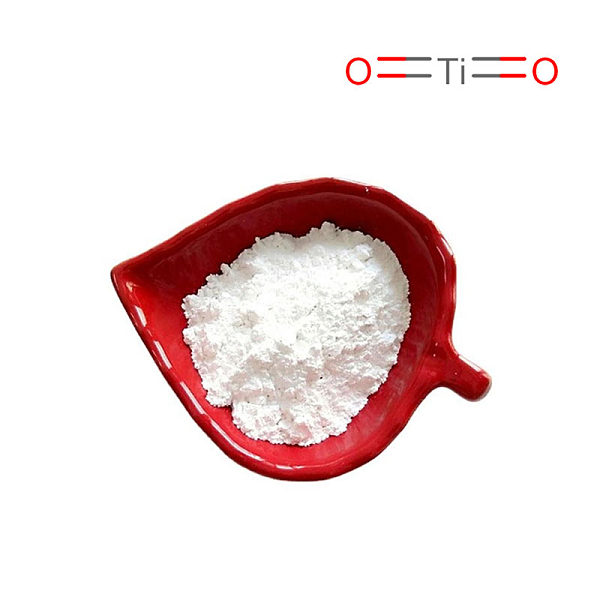
 Titanium dioxide CAS#13463-67-7
Learn More →
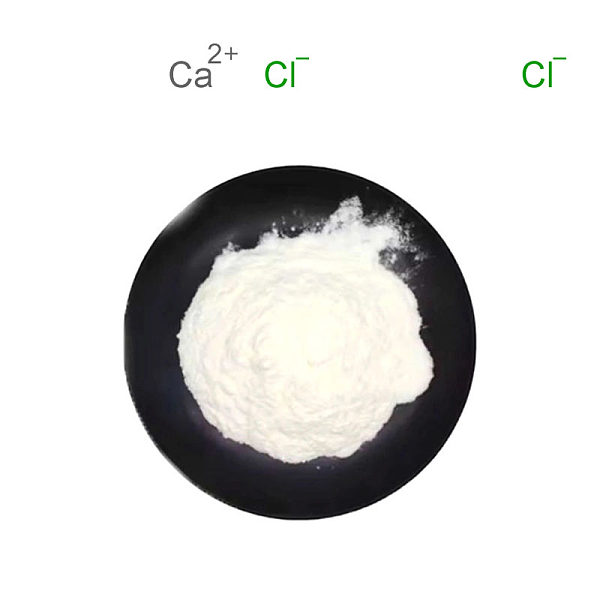
 Calcium Chloride CAS#10043-52-4
Learn More →
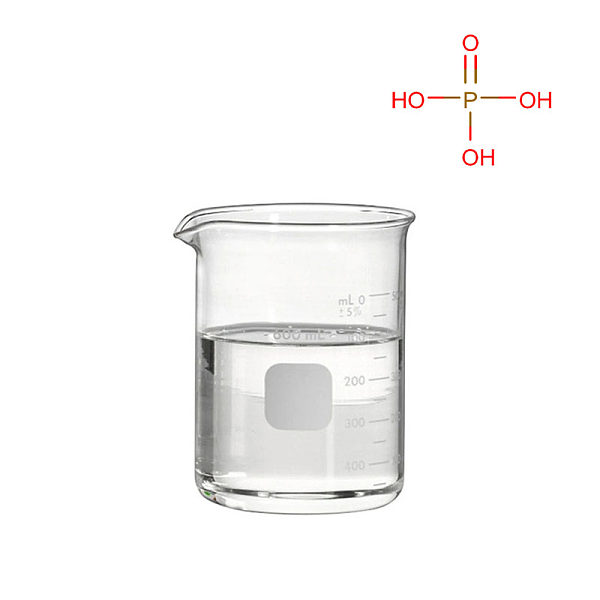
 Phosphoric Acid CAS#7664-38-2
Learn More →
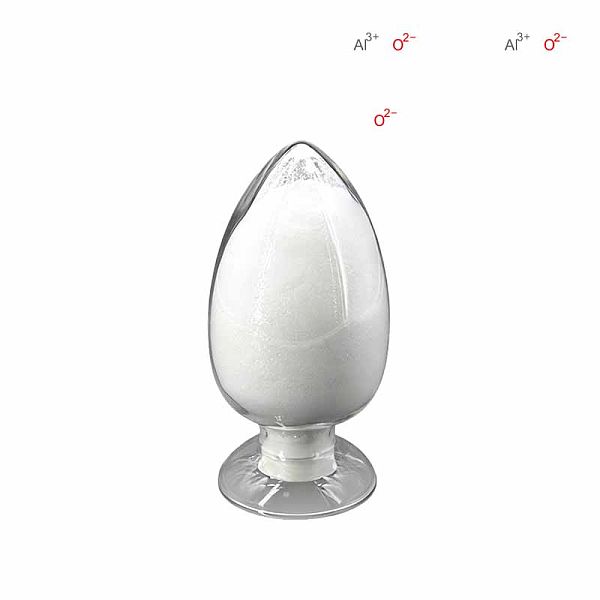
 Aluminum oxide CAS#1344-28-1
Learn More →
Learn More →
Send Us Your Inquiry Today
To view the current overseas warehouse inventory list or obtain a tailored logistics solution, please contact us via the form on our official website or by email.