
Products
Products
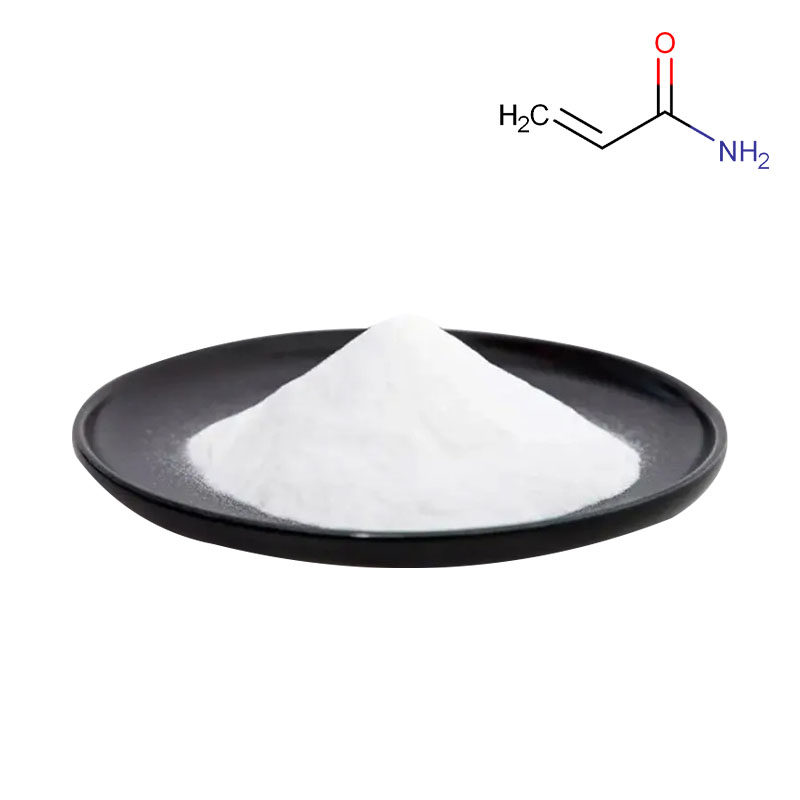
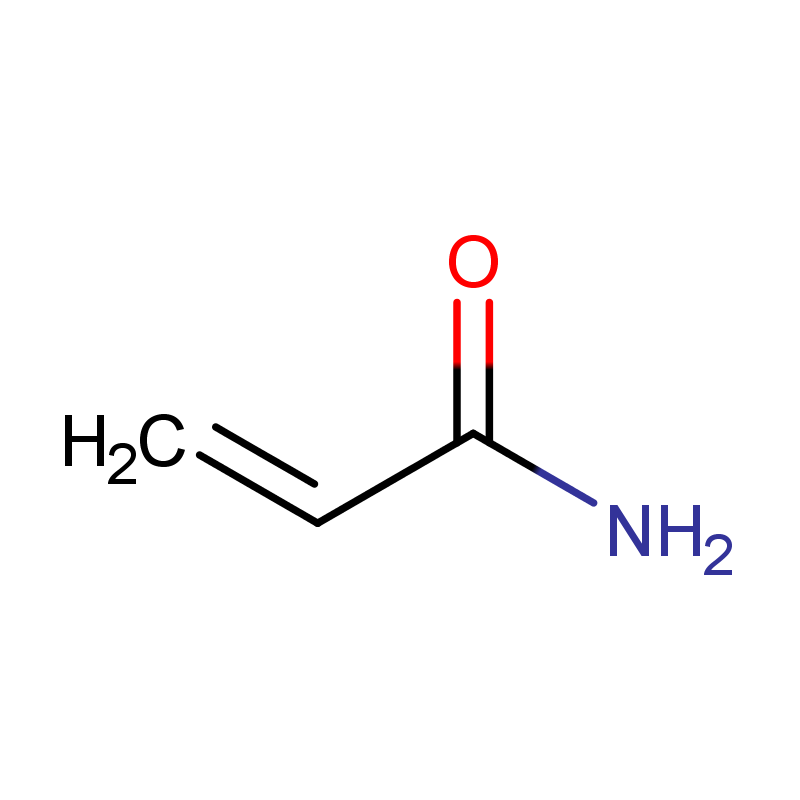
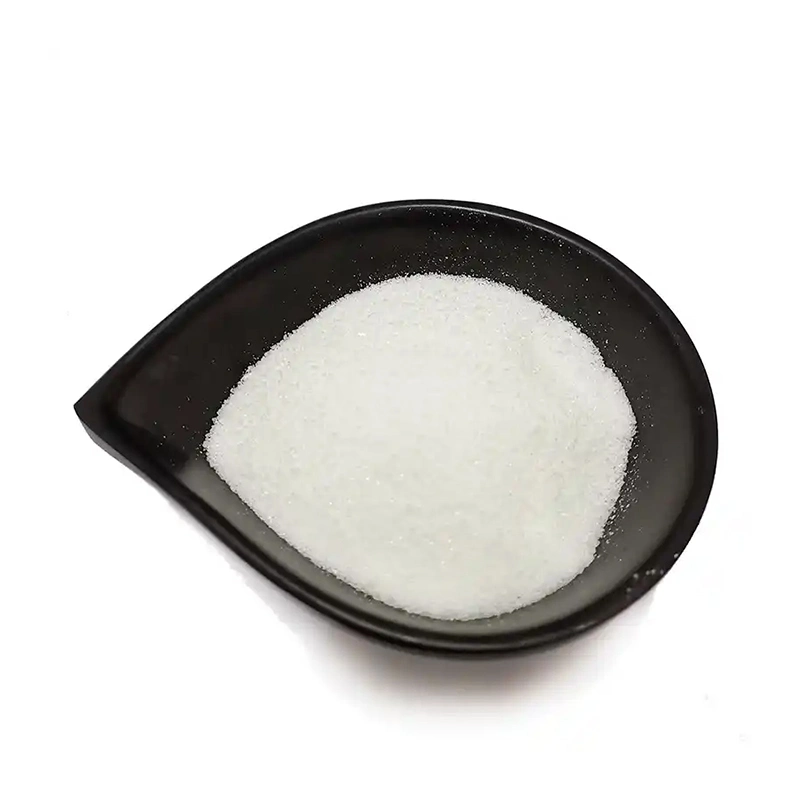
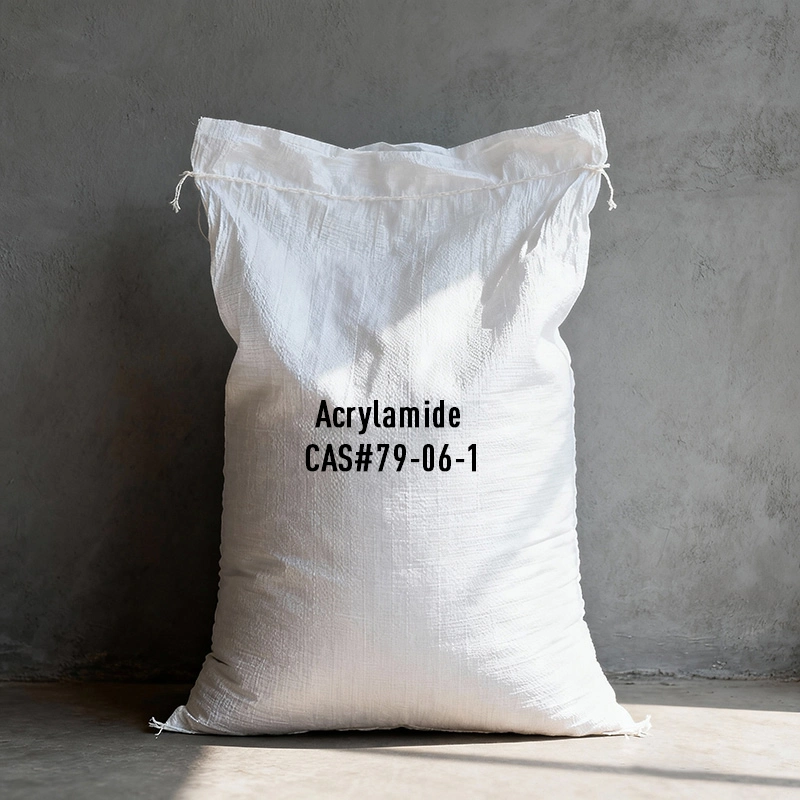
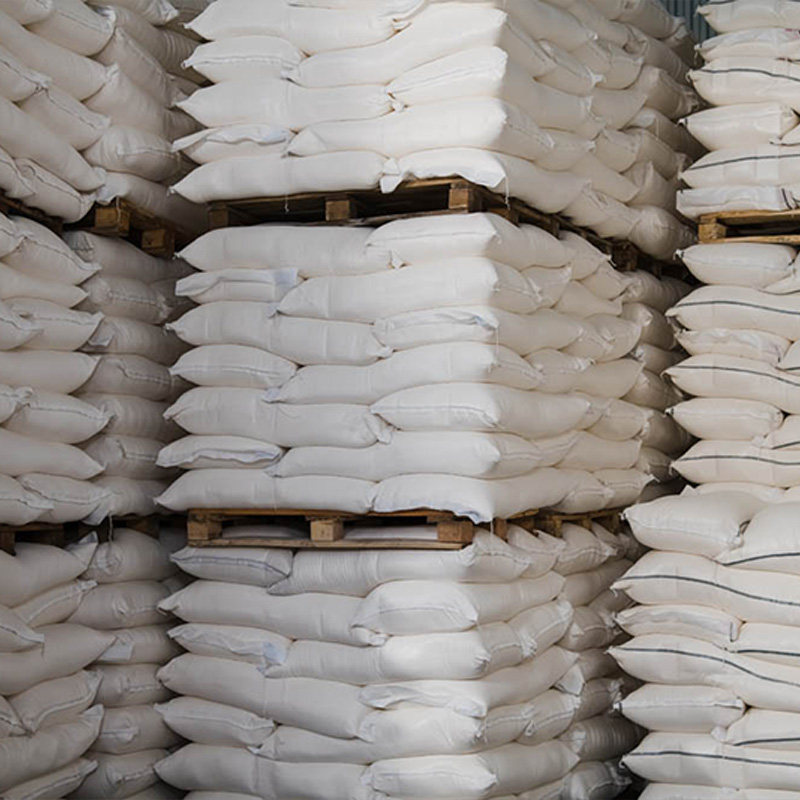
Acrylamide CAS#79-06-1
High Solubility in Multiple Solvents: Easily dissolves in water and various organic solvents, enabling flexible processing and formulation.
Versatile Chemical Reactivity: Can be hydrolyzed into acrylic acid under acidic or alkaline conditions, offering adaptability in chemical synthesis.
Key Raw Material for Polymers: Serves as an essential precursor for the production of polyacrylamide and other important polymers.
Wide Derivative Compatibility: Acts as a fundamental monomer for a broad range of derivatives, including anionic, cationic, and N-substituted acrylamide compounds.
Product Description of Acrylamide CAS#79-06-1
Acrylamide is a white crystalline solid and a key raw material for polyacrylamide. Known as AM, it is usually colorless transparent flakes in commercial form. It dissolves readily in water, methanol, ethanol and propanol, and sparingly in ethyl acetate, chloroform and benzene. It hydrolyzes to acrylic acid under acidic or alkaline conditions.
It is also a fundamental precursor to many monomers, including methacrylamide, anionic AMPS, cationic DMC, and various N-substituted acrylamide derivatives.
Product Application of Acrylamide CAS#79-06-1
Over 90% of acrylamide goes into polyacrylamide (PAM) production, with the rest used for N-methylolacrylamide (NMA) and other related monomers. Of PAM consumption, around 60% is for water treatment, 20% for pulp and paper, and 10% for mineral processing.
Parameters
Safety Information


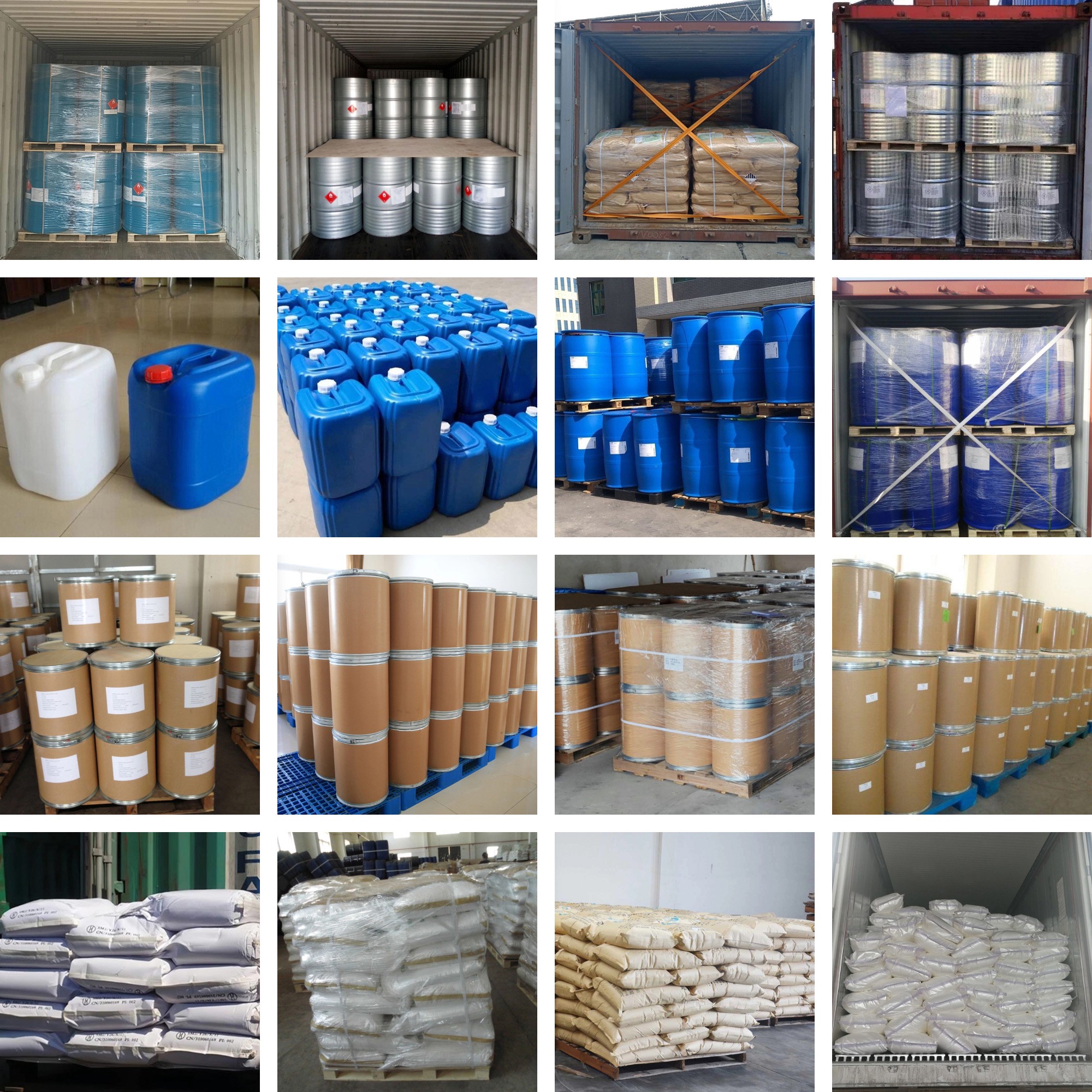
Are you a manufacturer or a trader?
How do your overseas warehouses operate, and what are the practical benefits?
For you: You can pick up goods directly from local warehouses without the need for full-container orders; delivery times are reduced from the standard 30–45 days to just 3–5 days.
Reduced inventory pressure: You can purchase small batches for trial and quality verification before scaling up orders, avoiding the need to tie up large amounts of capital upfront.
Emergency restocking: If your production line faces a sudden material shortage, we can urgently dispatch supplies from our regional warehouses to prevent production downtime.
What is the Minimum Order Quantity (MOQ)?
How do you ensure product quality?
Before leaving the factory: We require the factory to provide a Certificate of Analysis (COA) for the specific batch.
Before shipment: We commission international third-party agencies like SGS or Intertek to conduct random inspections, with costs covered by us (for long-term partners).
After arrival: If quality issues arise, we commit to unconditional negotiation regarding returns, exchanges, or compensation, and we assume full responsibility. All terms are stipulated in the contract.
What payment methods do you accept? Do you offer credit terms?
What is the typical delivery lead time?
Overseas Warehouse Stock: Items are dispatched within 1–3 working days of order confirmation and payment; local delivery typically takes 2–5 days (depending on the country).
Which trade terms do you offer? Do you support DDP (Delivered Duty Paid)?
How can I obtain samples? What are the costs?
If shipping from China, we can arrange delivery via DHL or FedEx; samples are free, but you bear the international shipping costs. Once a clear intent to cooperate is established, these shipping costs can be deducted from your first order.
Can the contract price be adjusted if product prices fluctuate?
For fixed-price contracts, we do not unilaterally raise prices due to market increases.
If you anticipate a market downturn, we can negotiate floating pricing—settling based on a benchmark price on the date of shipment or arrival—to flexibly manage fluctuations.
What does your after-sales service include?
Usage Guidance: Assistance with adjusting processing parameters (if required).
Complaint Handling: Response within 48 hours and a solution provided within 7 days.
Regular follow-ups: Proactive contact every six months to understand changing needs and optimize supply solutions.
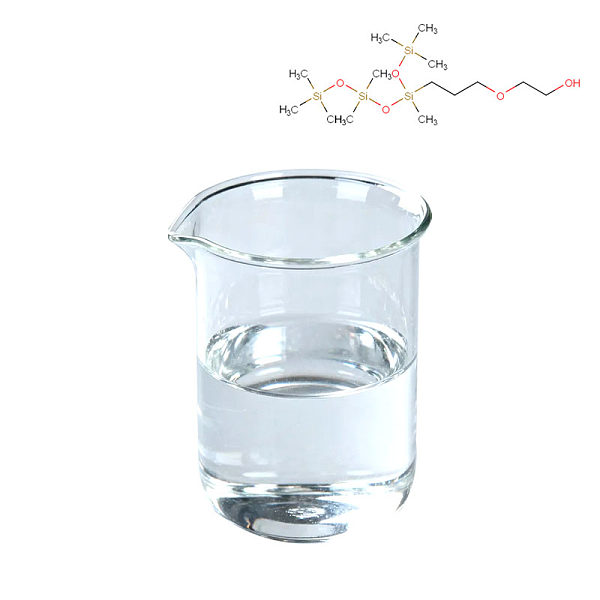
 Terminated Polydimethylsiloxane CAS#67674-67-3") Carbinol (Hydroxyl) Terminated Polydimethylsiloxane CAS#67674-67-3
Learn More →
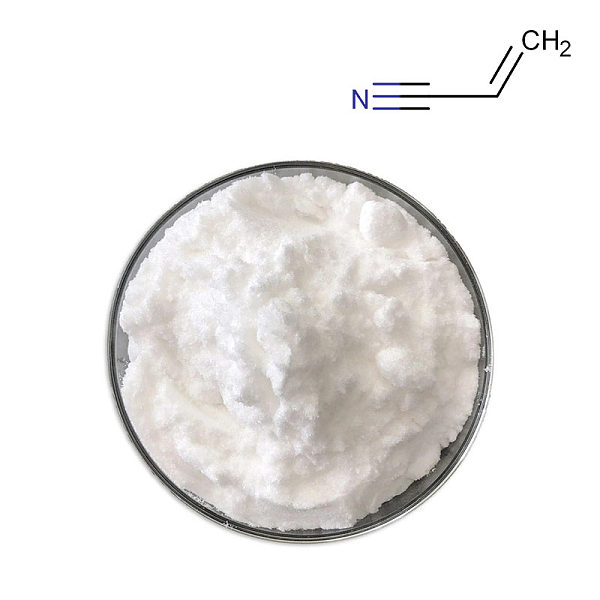
 Polyacrylonitrile CAS#25014-41-9
Learn More →
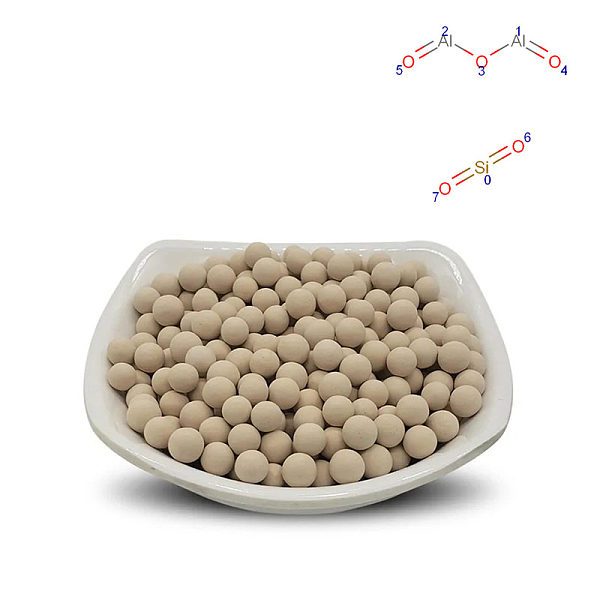
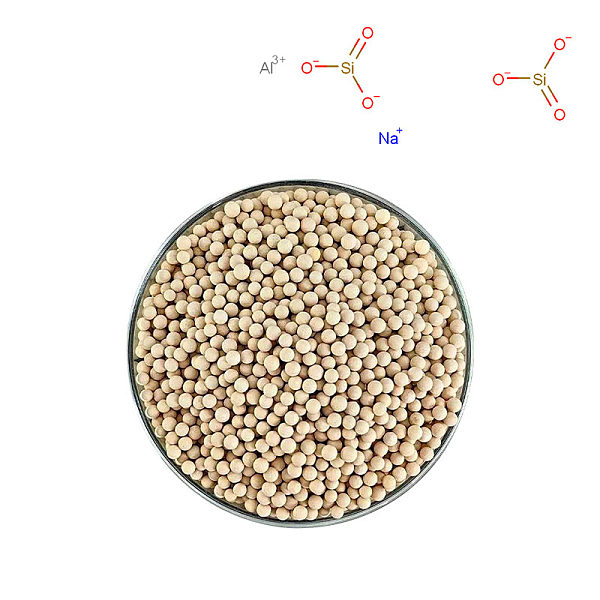
 Zeolite CAS#1318-02-1
Learn More →
 Molecular sieve 3A CAS#308080-99-1
Learn More →
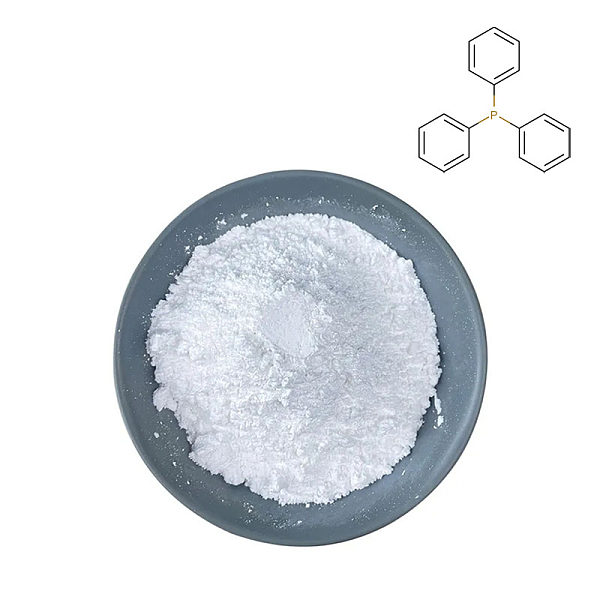
 Triphenylphosphine CAS#603-35-0
Learn More →
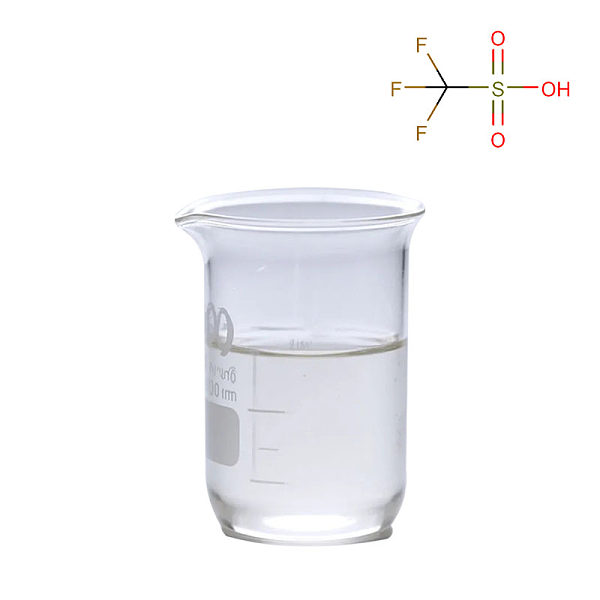
 Trifluoromethanesulfonic acid CAS#1493-13-6
Learn More →
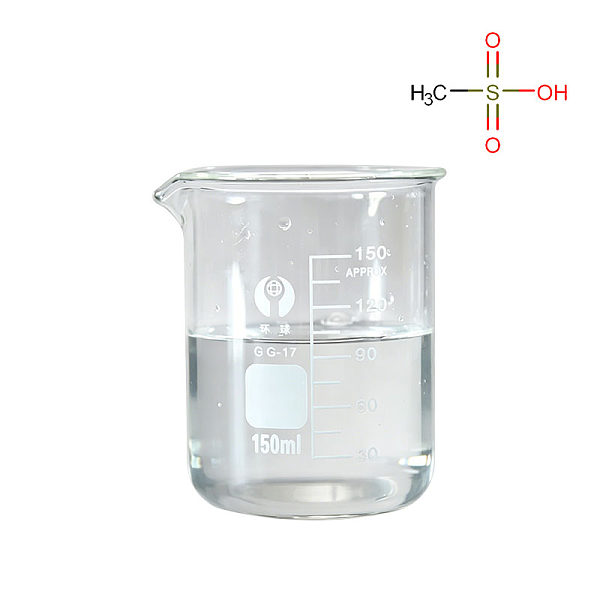
 Methanesulfonic acid CAS#75-75-2
Learn More →
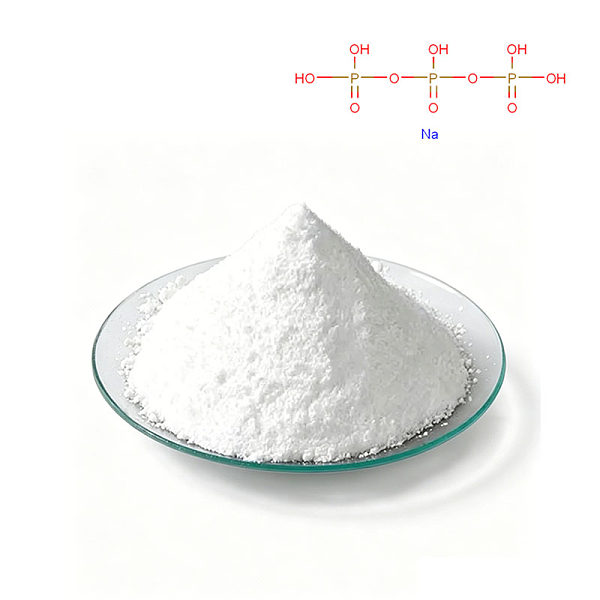
 Sodium tripolyphosphate CAS#7758-29-4
Learn More →
Learn More →
Send Us Your Inquiry Today
To view the current overseas warehouse inventory list or obtain a tailored logistics solution, please contact us via the form on our official website or by email.