
Products
Products
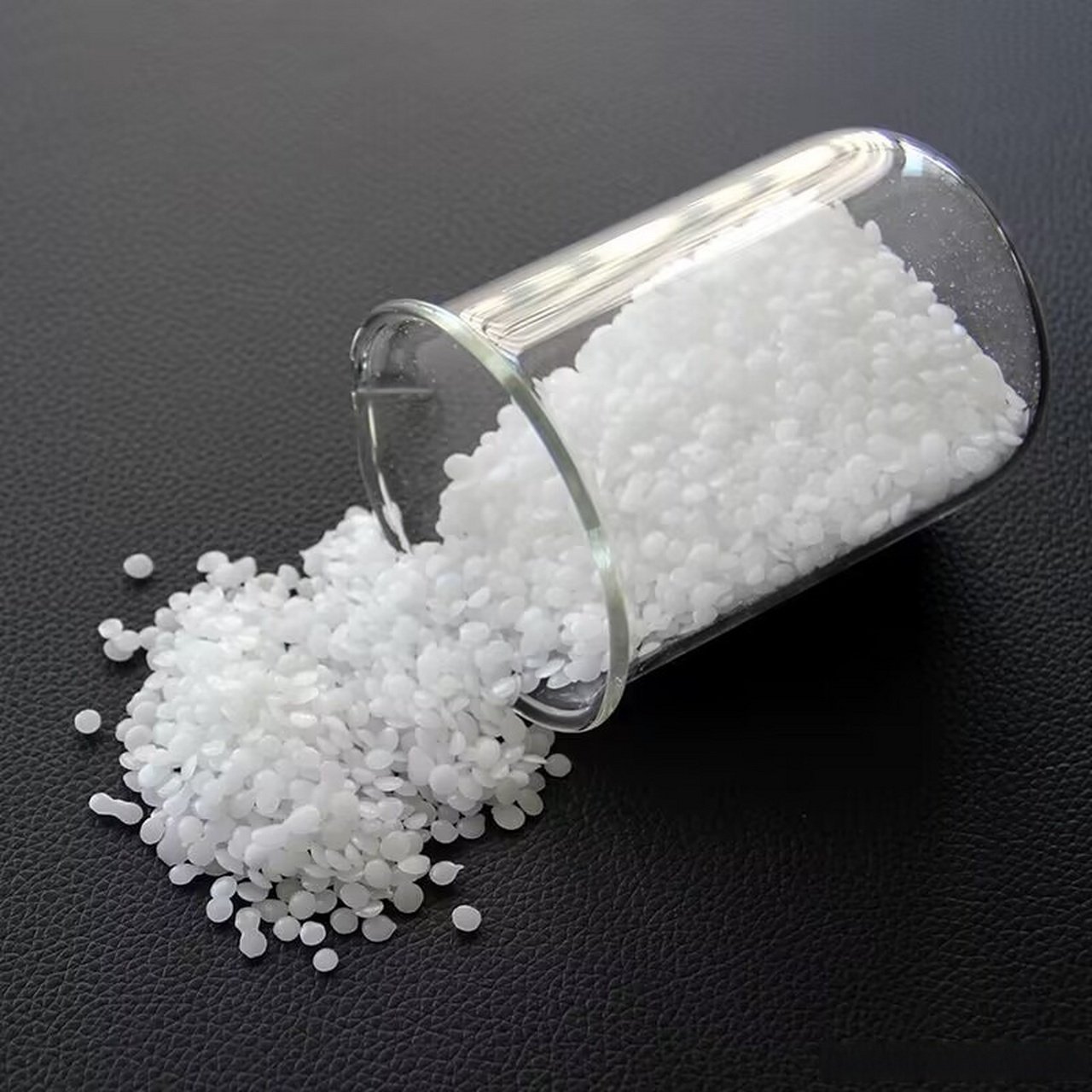
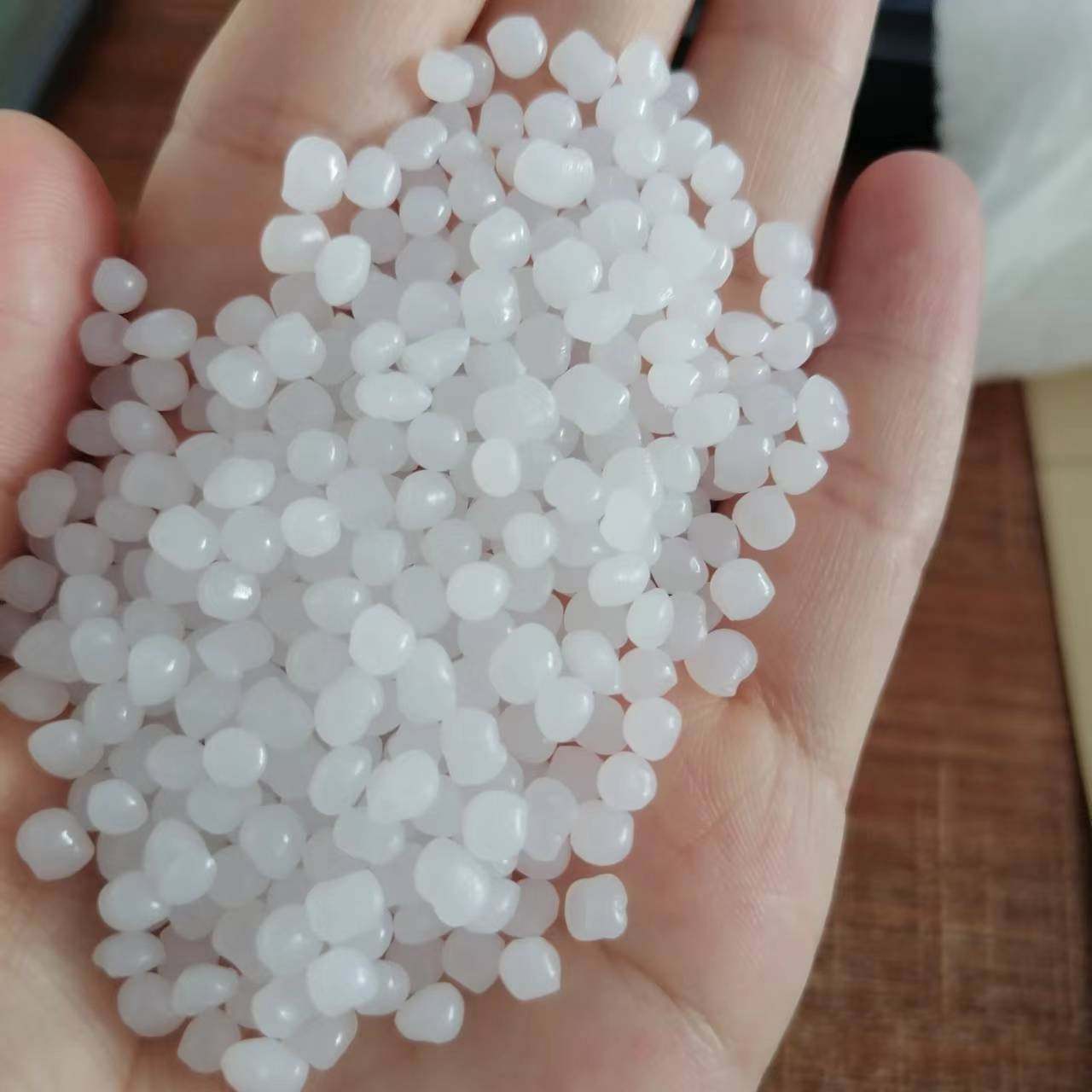
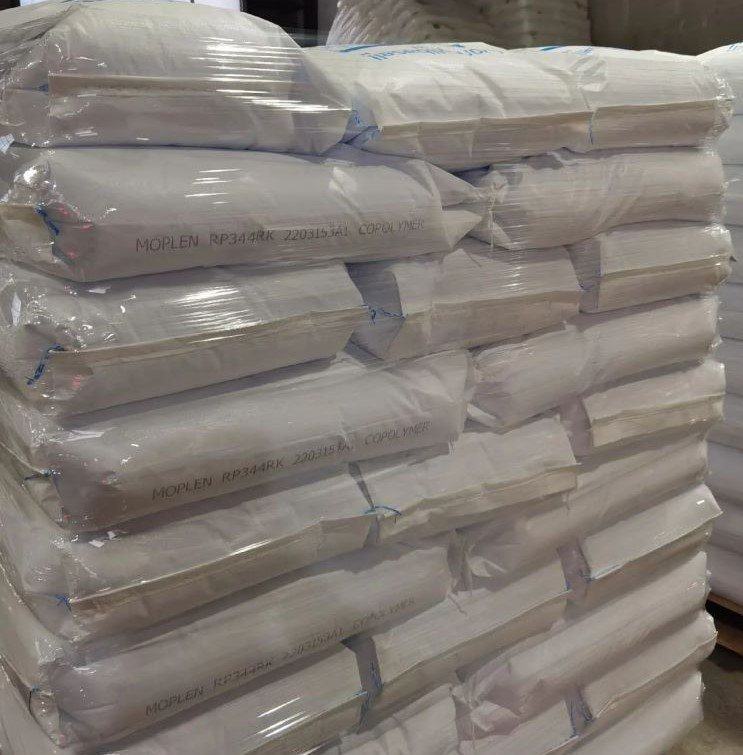
Polypropylene (PP) CAS#9003-07-0
Lightweight Material: Low density helps reduce product weight in packaging and molded components.
Good Chemical Resistance: Resists many aqueous acids, alkalis and other chemicals under suitable service conditions.
Balanced Mechanical Properties: Offers good stiffness and fatigue resistance; impact performance depends on the grade and temperature.
Versatile Processing: Suitable grades are available for injection molding, extrusion, film production and fiber spinning.
Product Description of Polypropylene CAS#9003-07-0
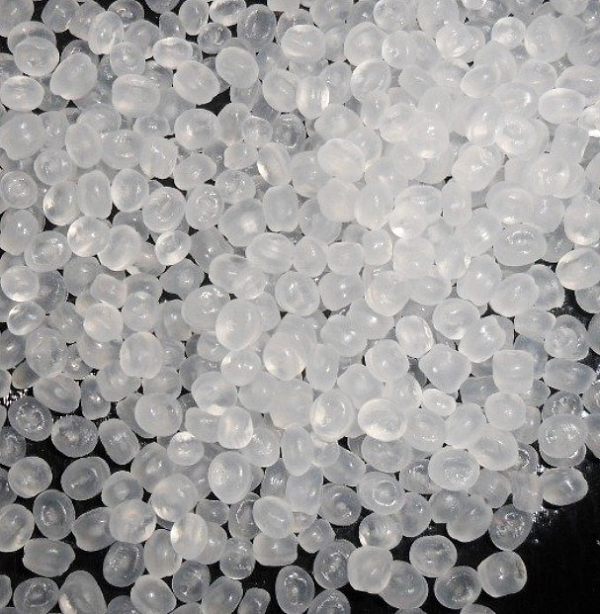
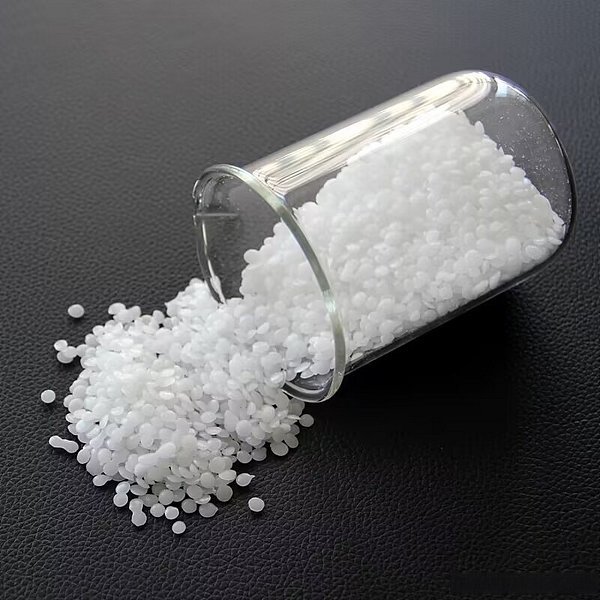
Polypropylene, commonly abbreviated as PP, is a thermoplastic polymer produced from propylene. It is generally supplied as natural translucent or colored pellets. Commercial products include homopolymer, random copolymer and impact copolymer grades, providing different combinations of stiffness, transparency and impact resistance. Processing behavior and final performance depend on molecular structure, additives and any fillers or reinforcement.
Product Application of Polypropylene CAS#9003-07-0
Widely used in rigid packaging, household containers, caps and closures, automotive components, appliance parts, woven sacks, nonwoven fabrics and fibers. Selected grades are also used in films, pipes and medical products. Food-contact and medical applications require appropriately qualified grades that meet the applicable requirements.
Parameters
Safety Information


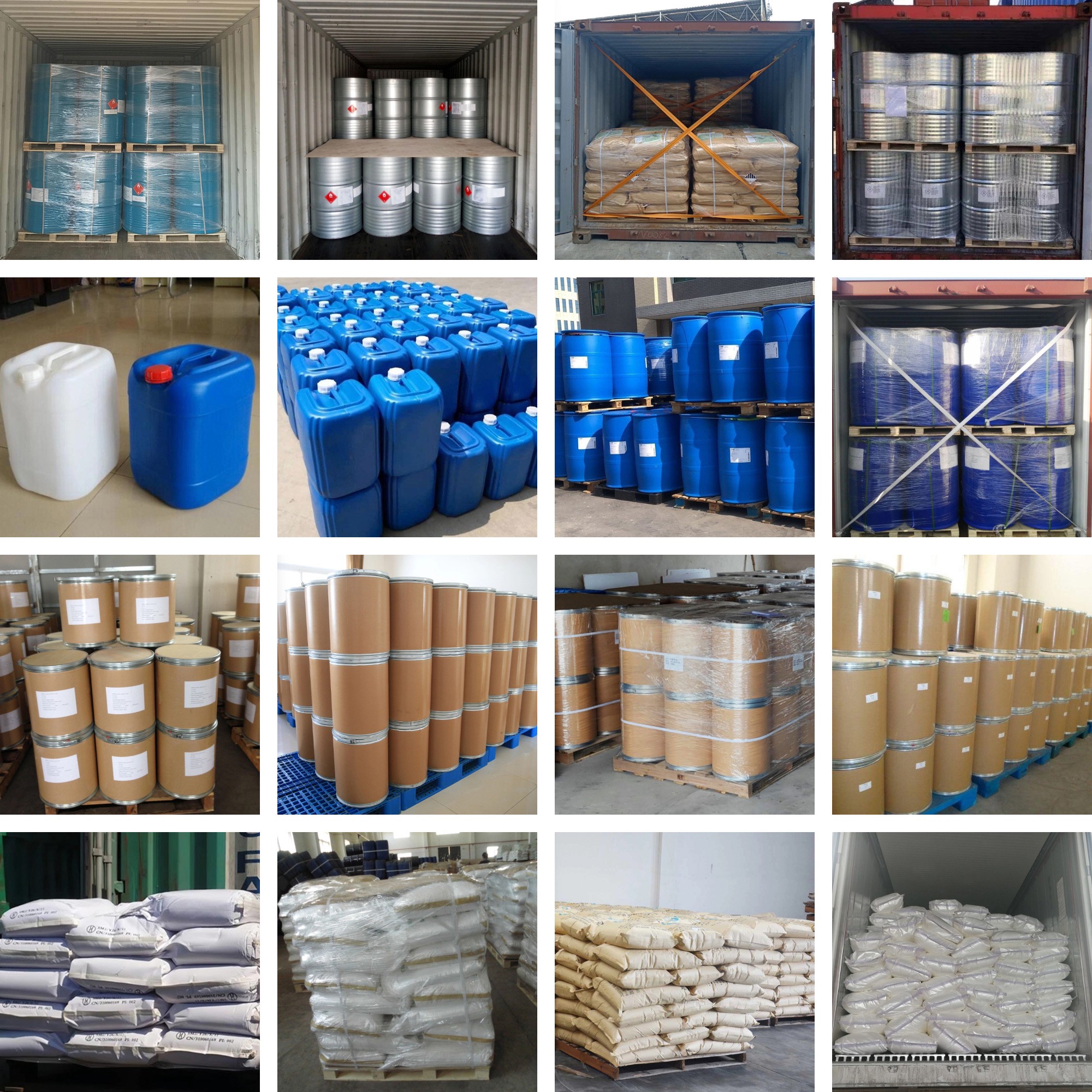
Are you a manufacturer or a trader?
How do your overseas warehouses operate, and what are the practical benefits?
For you: You can pick up goods directly from local warehouses without the need for full-container orders; delivery times are reduced from the standard 30–45 days to just 3–5 days.
Reduced inventory pressure: You can purchase small batches for trial and quality verification before scaling up orders, avoiding the need to tie up large amounts of capital upfront.
Emergency restocking: If your production line faces a sudden material shortage, we can urgently dispatch supplies from our regional warehouses to prevent production downtime.
What is the Minimum Order Quantity (MOQ)?
How do you ensure product quality?
Before leaving the factory: We require the factory to provide a Certificate of Analysis (COA) for the specific batch.
Before shipment: We commission international third-party agencies like SGS or Intertek to conduct random inspections, with costs covered by us (for long-term partners).
After arrival: If quality issues arise, we commit to unconditional negotiation regarding returns, exchanges, or compensation, and we assume full responsibility. All terms are stipulated in the contract.
What payment methods do you accept? Do you offer credit terms?
What is the typical delivery lead time?
Overseas Warehouse Stock: Items are dispatched within 1–3 working days of order confirmation and payment; local delivery typically takes 2–5 days (depending on the country).
Which trade terms do you offer? Do you support DDP (Delivered Duty Paid)?
How can I obtain samples? What are the costs?
If shipping from China, we can arrange delivery via DHL or FedEx; samples are free, but you bear the international shipping costs. Once a clear intent to cooperate is established, these shipping costs can be deducted from your first order.
Can the contract price be adjusted if product prices fluctuate?
For fixed-price contracts, we do not unilaterally raise prices due to market increases.
If you anticipate a market downturn, we can negotiate floating pricing—settling based on a benchmark price on the date of shipment or arrival—to flexibly manage fluctuations.
What does your after-sales service include?
Usage Guidance: Assistance with adjusting processing parameters (if required).
Complaint Handling: Response within 48 hours and a solution provided within 7 days.
Regular follow-ups: Proactive contact every six months to understand changing needs and optimize supply solutions.
 CAS#9002-88-4") Polyethylene (PE) CAS#9002-88-4
Learn More →
 CAS#9003-07-0") Polypropylene (PP) CAS#9003-07-0
Learn More →
 Polyvinyl Chloride Paste Resin CAS#9002-86-2
Learn More →
 Ethanol CAS#64-17-5
Learn More →
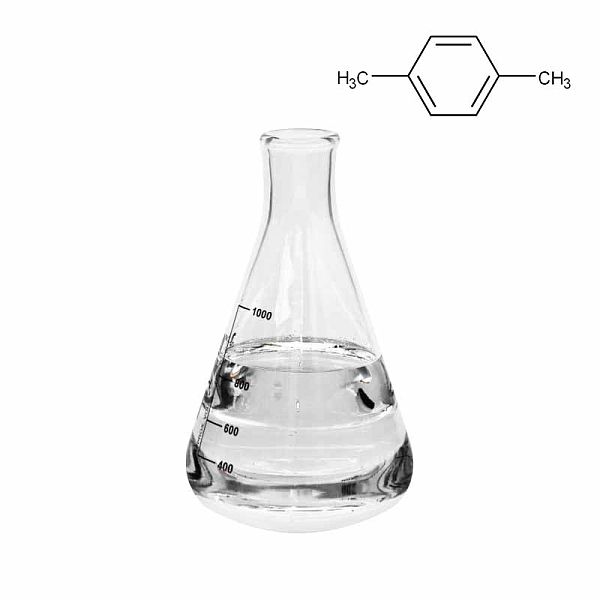
 Xylene CAS#1330-20-7
Learn More →
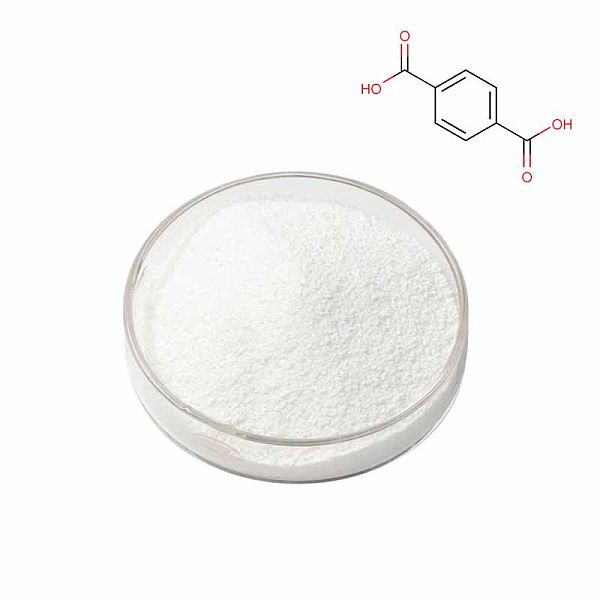
 Terephthalic acid CAS#100-21-0
Learn More →
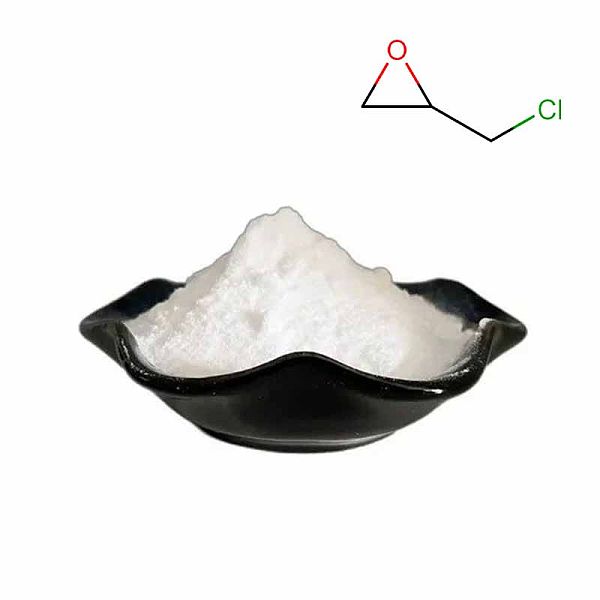
 Resin epoxy CAS#24969-06-0
Learn More →
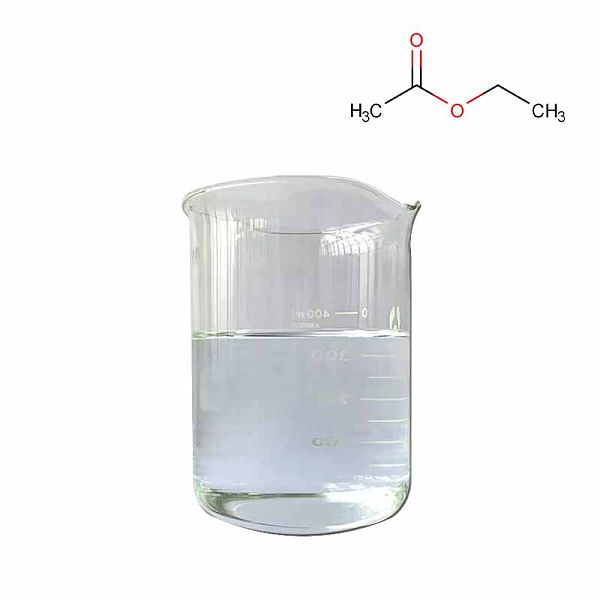
 Ethyl acetate CAS#141-78-6
Learn More →
Learn More →
Send Us Your Inquiry Today
To view the current overseas warehouse inventory list or obtain a tailored logistics solution, please contact us via the form on our official website or by email.