Polypropylene Glycol CAS#25322-69-4

Polypropylene Glycol CAS#25322-69-4

Wide Solubility and Compatibility: Exhibits excellent solubility flexibility, dissolving in water at lower molecular weights and in oils, hydrocarbons, alcohols, ketones, and esters at higher molecular weights.


Chemically Reactive End Groups: Features hydroxyl groups at both molecular ends, enabling esterification and etherification for diverse chemical modifications.


Stable and Safe Physical Properties: Non-volatile and non-corrosive, ensuring safe handling and stable performance in various industrial applications.


Broad Industrial Application Range: Widely used as a solvent and as a key raw material in the production of resins, emulsifiers, lubricants, plasticizers, and related formulations.


Phone :+86 18626059817
WhatsApp :+86 18626059817
Email :cora@wxqysteel.com
product description

Product Description of ‌Polypropylene Glycol CAS#25322-69-4

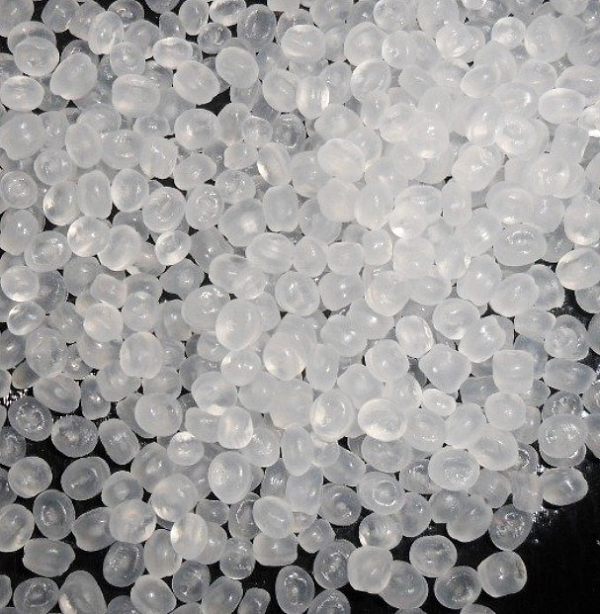
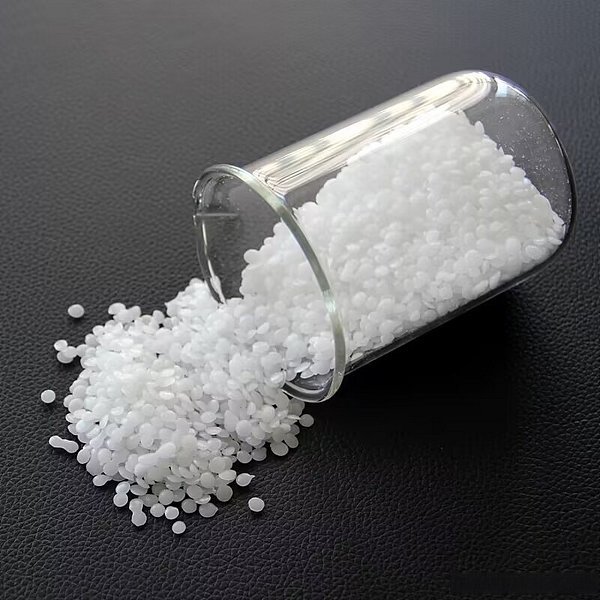
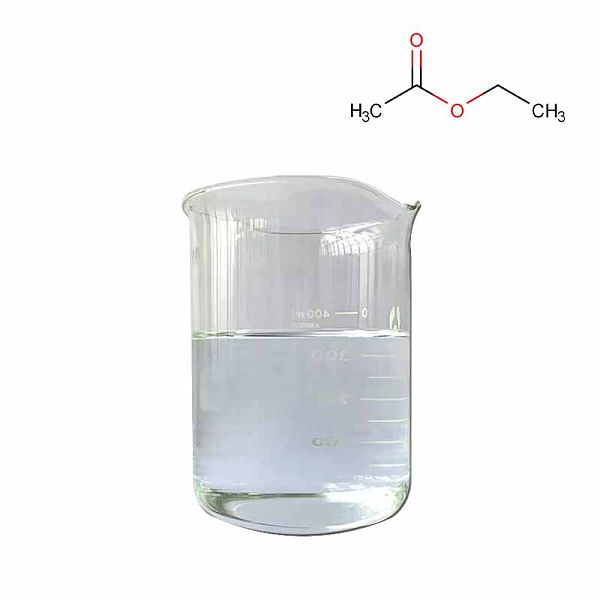
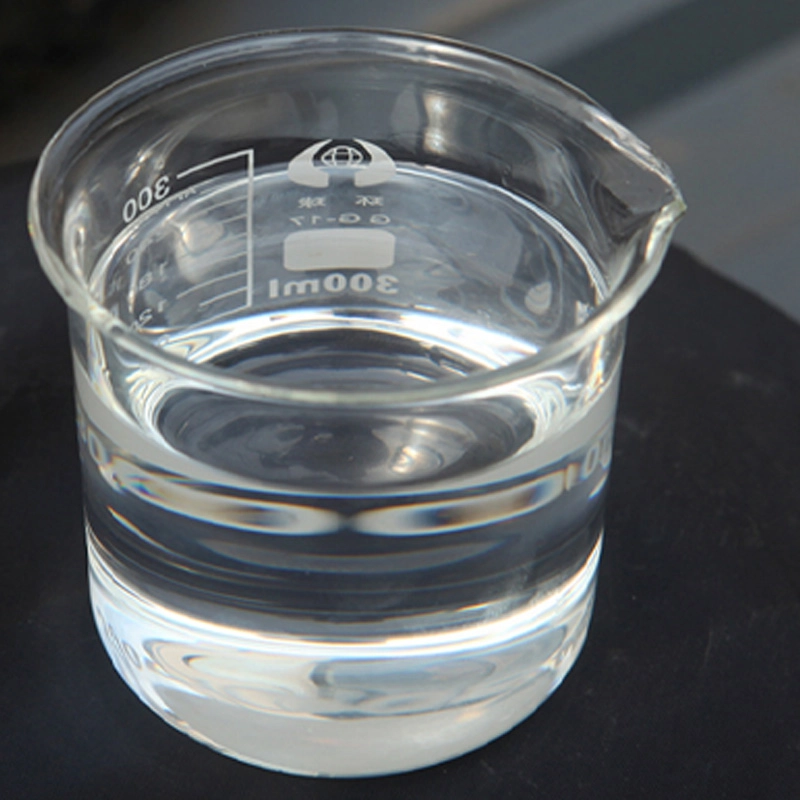
Poly(propylene glycol) (PPG, formula H(C₃H₆O)ₙOH) is a colorless to pale yellow viscous liquid, non-volatile and non-corrosive.
Commercial grades have molecular weights of 400–2050. Low-molecular-weight PPG is water-soluble, while high-molecular-weight grades are slightly water-soluble but readily dissolve in oils, hydrocarbons, aliphatic alcohols, ketones and esters.
With terminal hydroxyl groups, it undergoes esterification to form mono- or diesters. Its monoesters serve as non-ionic surfactants and can further react with alcohols to produce ethers.
PPG acts as a solvent for vegetable oils, resins and paraffin wax, and is widely used in manufacturing alkyd resins, emulsifiers, demulsifiers, lubricants and plasticizers. It is synthesized via condensation of propylene oxide and propylene glycol under high pressure or with acidic catalysts.


Product Application of Polypropylene Glycol CAS#25322-69-4

Poly(propylene glycol) (PPG) is widely used in polymer science and organic chemical industry, serving as professional reagent, biochemical reagent and chemical raw material across various research and industrial fields.
Available in grades including PPG-400, PPG-1000, PPG-2000 and PPG-4000, it is applied in food additives, defoamers, pesticide formulations and cosmetic raw materials.
It also functions as an active pharmaceutical ingredient and intermediate for pharmaceuticals, pesticides and dyes, as well as a solvent and organic raw material for alcohol-based chemicals and other organic products in multiple industrial applications.


Product Information

Parameters


Melting point-40 °C
Boiling point>300 °C
density1.01 g/mL at 20 °C
vapor density>1 (vs air)
Pour Point-26
Pour Point-45
vapor pressure<0.01 mm Hg ( 20 °C)
refractive indexn20/D 1.451
Fp230 °C
solubilityH2O: <0.01 % (w/w) at 25 °C
formViscous Liquid
Specific Gravity1.005
colorWhite to light gray
Water SolubilityPRACTICALLY INSOLUBLE
FreezingPoint-25
FreezingPoint-40
Stability:Stable. Substances to be avoided include strong oxidizing agents.
LogP0.01 at 25℃
NIST Chemistry ReferencePolypropylene glycol 425(25322-69-4)
EPA Substance Registry SystemPolypropylene glycol (25322-69-4)
Safety Statements24/25
WGK Germany1
RTECSTR5250000
TSCAYes
HS Code39072090
Hazardous Substances Data25322-69-4(Hazardous Substances Data


Factory Showcase
拼图_美图设计室-(1)
Quality Control Lab
未标题-2
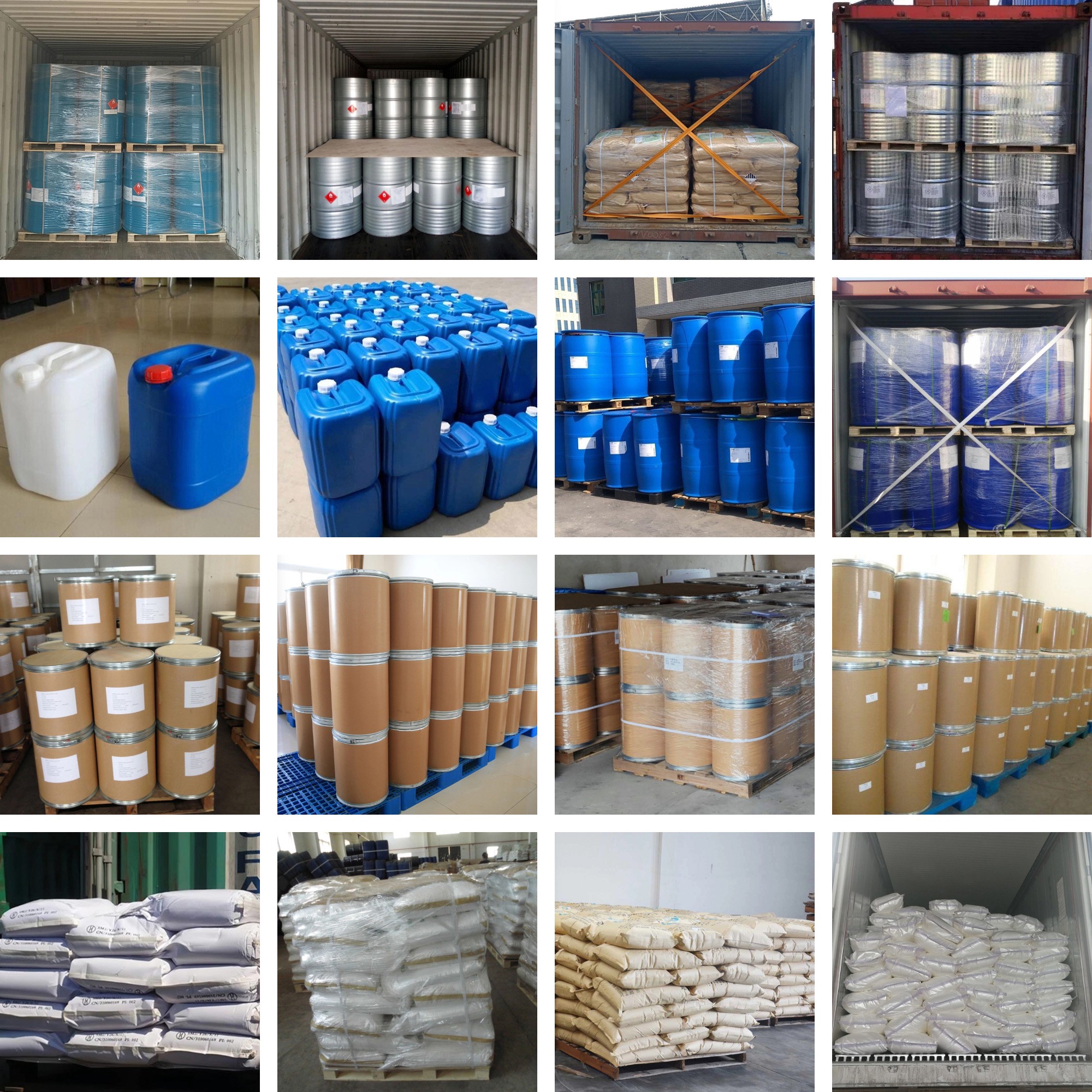
Shipping And Transportation
拼图_美图设计室
FAQ
Q:

Are you a manufacturer or a trader?

A:
We are a supply chain service provider rather than a single manufacturer. Instead of being tied to one specific factory, we have established deep partnerships with numerous high-quality domestic chemical enterprises that hold certifications such as ISO and REACH. This allows us to flexibly match the most suitable supply sources to your needs while independently conducting third-party quality inspections to ensure delivery quality and price competitiveness.
Q:

How do your overseas warehouses operate, and what are the practical benefits?

A:
We maintain transit warehouses with standing inventory in Southeast Asia, the Middle East, and Eastern Europe.
For you: You can pick up goods directly from local warehouses without the need for full-container orders; delivery times are reduced from the standard 30–45 days to just 3–5 days.
Reduced inventory pressure: You can purchase small batches for trial and quality verification before scaling up orders, avoiding the need to tie up large amounts of capital upfront.
Emergency restocking: If your production line faces a sudden material shortage, we can urgently dispatch supplies from our regional warehouses to prevent production downtime.
Q:

What is the Minimum Order Quantity (MOQ)?

A:
For standard products, the MOQ is typically one 20-foot container (approx. 16–20 tons) for direct shipments from China. However, for stock picked up from overseas warehouses, we support orders starting from 1 ton—ideal for sample testing or small-batch production. Specific MOQs depend on the product category and packaging type; please contact us for details.
Q:

How do you ensure product quality?

A:
We implement a "three-level quality control" system:
Before leaving the factory: We require the factory to provide a Certificate of Analysis (COA) for the specific batch.
Before shipment: We commission international third-party agencies like SGS or Intertek to conduct random inspections, with costs covered by us (for long-term partners).
After arrival: If quality issues arise, we commit to unconditional negotiation regarding returns, exchanges, or compensation, and we assume full responsibility. All terms are stipulated in the contract.
Q:

What payment methods do you accept? Do you offer credit terms?

A:
We accept T/T (Telegraphic Transfer), L/C (Letter of Credit at sight or usance), and D/P (Documents against Payment). For clients with a long-standing partnership and good credit standing, we offer partial credit terms (e.g., 30–60 days), subject to negotiation based on transaction history and due diligence results. Cash on Delivery (COD) is available for local customers ordering in-stock items from our overseas warehouses.
Q:

What is the typical delivery lead time?

A:
FOB (China Port): Goods are prepared and shipped within 7–15 working days after the contract is signed and the prepayment is received.
Overseas Warehouse Stock: Items are dispatched within 1–3 working days of order confirmation and payment; local delivery typically takes 2–5 days (depending on the country).
Q:

Which trade terms do you offer? Do you support DDP (Delivered Duty Paid)?

A:
We are proficient in handling common terms such as FOB, CIF, CFR, and EXW. Additionally, for regions covered by our overseas warehouses, we offer DDP services (including duties and door-to-door delivery), allowing you to receive goods without the hassle of complex import customs clearance procedures. Please consult your sales manager for specific costs.
Q:

How can I obtain samples? What are the costs?

A:
If stock is available at an overseas warehouse, we can provide 1–2 kg of samples for free; you only need to cover the local courier fees.
If shipping from China, we can arrange delivery via DHL or FedEx; samples are free, but you bear the international shipping costs. Once a clear intent to cooperate is established, these shipping costs can be deducted from your first order.
Q:

Can the contract price be adjusted if product prices fluctuate?

A:
We offer a price protection mechanism:
For fixed-price contracts, we do not unilaterally raise prices due to market increases.
If you anticipate a market downturn, we can negotiate floating pricing—settling based on a benchmark price on the date of shipment or arrival—to flexibly manage fluctuations.
Q:

What does your after-sales service include?

A:
We provide full-lifecycle service:
Usage Guidance: Assistance with adjusting processing parameters (if required).
Complaint Handling: Response within 48 hours and a solution provided within 7 days.
Regular follow-ups: Proactive contact every six months to understand changing needs and optimize supply solutions.
Contact Us
Submit
Recommendation