
Send Us A Message
How fungicides should be rotated to slow resistance in crops
What Growers Need to Know Before Rotating Fungicides
The main goal of fungicide rotation is to reduce repeated exposure of plant pathogens to the same biochemical target during a crop season.
Resistance develops when a few naturally less-sensitive pathogen individuals survive treatment, reproduce, and gradually become a larger share of the disease population.
Once resistance is widespread, increasing the dose or shortening the spray interval usually provides limited benefit and may increase unnecessary production costs.
For operators, the practical question is simple: which fungicide groups have already been used, and what different group should be used next?
A useful rotation program starts with the active ingredient, not the product label design, supplier name, or the familiarity of a brand.
Different commercial products may contain identical active ingredients or fungicides from the same resistance-risk group, even when their names appear unrelated.
Before spraying, check the label for active ingredients, formulation type, approved crop uses, disease targets, application rates, and pre-harvest restrictions.
Then identify each active ingredient's FRAC code, which is the industry classification system for fungicide mode-of-action groups and resistance management guidance.
Fungicides with the same FRAC code generally act on the same pathogen process, so alternating between them is not a meaningful rotation.
For example, changing from one strobilurin product to another strobilurin product may change a trade name but still maintain strong selection pressure.
Operators should also remember that resistance risk differs among diseases, crops, climates, spray frequency, and the inherent biology of each pathogen.
Powdery mildew, downy mildew, Botrytis, Septoria, Alternaria, and oomycete diseases can require very different resistance-management approaches in commercial production.
Use FRAC Groups Rather Than Brand Names
FRAC groups provide the most practical common language for planning fungicide rotation because they connect product selection with resistance risk and biological activity.
A fungicide label may list one active ingredient, while premix products may contain two or more ingredients belonging to different FRAC groups.
Single-site fungicides affect one specific pathogen function and often have higher resistance risk, especially when used repeatedly under heavy disease pressure.
Common single-site groups include QoI fungicides, SDHI fungicides, DMI fungicides, phenylamides, and several modern fungicide classes with highly targeted activity.
Multi-site fungicides act at several locations in the pathogen and generally present a lower risk of resistance developing in field populations.
However, lower resistance risk does not mean a multi-site product can solve every disease problem or replace accurate timing and effective crop management.
When reviewing products, record every FRAC code used in each field, greenhouse block, orchard section, or production cycle throughout the season.
This record should include the application date, crop growth stage, disease level, weather conditions, rate, water volume, and application method.
Accurate records help supervisors identify accidental repeats, compare product performance, and distinguish resistance concerns from poor coverage or unsuitable spray timing.
They also help purchasing teams avoid ordering several products that appear diverse commercially but provide little true mode-of-action diversity in practice.
For imported chemical products, request clear technical documentation covering active ingredients, concentrations, formulation details, registration status, and recommended resistance-management information.
Reliable supply planning matters because an operator cannot maintain a rotation program when the needed alternative fungicide group is unavailable during an infection period.
How to Build a Practical Seasonal Rotation Plan
Start planning before the crop season by listing likely diseases, historical problem periods, available registered fungicides, and the FRAC groups represented by each option.
Do not wait until symptoms are severe, because emergency decisions often lead to repeated use of whichever fungicide is immediately available.
For each important disease, identify at least two effective modes of action that can be rotated without exceeding local label restrictions or seasonal limits.
Where possible, include a multi-site fungicide or other lower-risk component that supports the performance of higher-risk single-site fungicide treatments.
A basic sequence might use Group A early, Group B during the next risk period, and Group C later when disease pressure remains active.
The exact groups will depend on crop registration, target pathogen, product availability, local regulations, and current resistance patterns in the growing region.
Rotation should occur across sequential sprays, not simply between different crop fields where the same disease population may still be exposed repeatedly.
In a greenhouse, treat each production block carefully because spores may move between adjacent areas through workers, tools, air movement, and plant material.
In orchards and vineyards, disease pressure can persist across seasons, making annual recordkeeping and sanitation especially important for long-term resistance management.
Do not assume every application needs the strongest curative product. Preventive applications made at correct timing often reduce total fungicide pressure across the season.
Use disease forecasting tools, local extension alerts, scouting results, humidity records, leaf wetness data, and crop-stage information to guide application timing.
Applying a fungicide only when risk justifies treatment helps preserve product usefulness while reducing costs, residues, labor demands, and unnecessary environmental exposure.
Rotate According to Disease Pressure, Not a Fixed Calendar
Calendar schedules can be useful for organizing work, but a fixed seven-day or fourteen-day pattern should not replace field observation and disease-risk assessment.
Under dry conditions with low disease risk, extending an interval may be reasonable where labels and crop advisers support that decision.
During prolonged rain, high humidity, rapid canopy growth, or active spore release, spray intervals may need adjustment to protect new susceptible tissue.
High disease pressure increases the chance that fungicide-resistant individuals will survive, particularly when applications are late or coverage is incomplete.
When disease is already established, choose products that are labeled for the situation and apply them at the proper rate with thorough coverage.
Never reduce the labeled rate simply to stretch inventory, because under-dosing may expose pathogens to weak selection pressure without achieving reliable disease control.
Likewise, do not exceed the label rate or number of applications in an attempt to overcome declining performance from a resistance-affected disease population.
If a normally effective fungicide fails, first investigate timing, product handling, nozzle performance, water quality, weather, crop canopy penetration, and disease identification.
Resistance is only one possible cause of poor results, but repeated failures following correct applications should be reported to agronomists or technical specialists.
Samples may need laboratory testing where available, especially for high-value crops, export production, greenhouse systems, or recurring disease outbreaks across several seasons.
Field operators should communicate observations quickly, including untreated comparisons, symptom progression, spray records, and photographs from representative crop areas.
Early reporting allows the farm team to change tactics before a small control failure becomes a widespread disease and yield-loss event.
When Tank Mixes Help and When They Create Problems
Tank mixes can support resistance management when they combine fungicides with different effective modes of action against the same target pathogen.
Both components should contribute meaningful disease control at the applied rate; mixing an effective product with a weak partner does not provide true protection.
Premix fungicides can be convenient, but they still require careful planning because repeatedly using the same premix may select resistance to both components.
Do not rotate a premix containing Group A and Group B with another product that also contains Group A and Group B.
That sequence may look diverse on paper, yet the pathogen continues receiving repeated exposure to the same two biochemical targets.
Instead, follow the premix with a product or mixture containing different effective FRAC groups, while respecting all product-specific maximum application limits.
Check physical compatibility before mixing products, especially when adding foliar fertilizers, insecticides, adjuvants, biological products, or products with different formulations.
Use a jar test when appropriate, follow label mixing order, maintain agitation, and confirm that the spray water meets product requirements.
Water pH, hardness, temperature, and contamination can influence spray stability and performance, particularly for some sensitive active ingredients or formulations.
Tank mixes should never be used as a shortcut for solving poor application technique, inadequate scouting, improper calibration, or unsuitable disease timing.
Operators must wear required personal protective equipment and follow local safety regulations, re-entry intervals, storage requirements, and disposal instructions for every product.
Resistance management and worker safety are connected because rushed emergency applications often create both biological risk and avoidable handling mistakes.
Support Fungicide Rotation With Better Crop Management
Fungicide rotation works best when it is part of an integrated disease-management program rather than the farm's only disease-control method.
Select resistant or tolerant varieties when available, especially in regions where a specific disease returns every season and fungicide use is intensive.
Use clean seed, healthy transplants, sanitized tools, and reliable propagation material to reduce the likelihood of introducing disease into production areas.
Remove infected crop residues when practical, manage volunteer plants, and control alternative hosts that may allow pathogens to survive between seasons.
Improve airflow through plant spacing, pruning, trellising, ventilation, and canopy management to reduce leaf wetness duration and humidity around susceptible tissue.
Manage irrigation carefully. Drip irrigation can reduce leaf wetness in many crops, while overhead irrigation should be timed to avoid prolonged moisture periods.
Balanced nutrition also matters because excessive nitrogen may produce dense, tender growth that is more vulnerable to several foliar disease problems.
Scouting should be systematic rather than occasional. Inspect multiple locations, crop edges, dense canopy zones, wet areas, and known disease hot spots.
Train workers to recognize early symptoms and separate look-alike problems, such as nutrient disorders, herbicide injury, insect feeding, bacterial diseases, and fungal infections.
Correct disease identification is essential because a fungicide rotation cannot work when the treatment does not match the actual pathogen or disease group.
Biological controls and cultural practices can lower disease pressure, although their performance depends strongly on timing, environment, crop system, and application quality.
Reducing pathogen pressure gives each fungicide treatment a better chance to work and lowers the number of high-risk applications needed during the season.
Common Rotation Mistakes That Reduce Fungicide Performance
The most common mistake is changing products while continuing to use the same FRAC group, often because operators focus only on brand names.
Another frequent problem is applying the same high-risk fungicide group repeatedly during peak disease periods because it previously provided fast visible results.
Using a curative fungicide too late can also increase resistance risk, since larger pathogen populations contain more individuals and greater genetic variation.
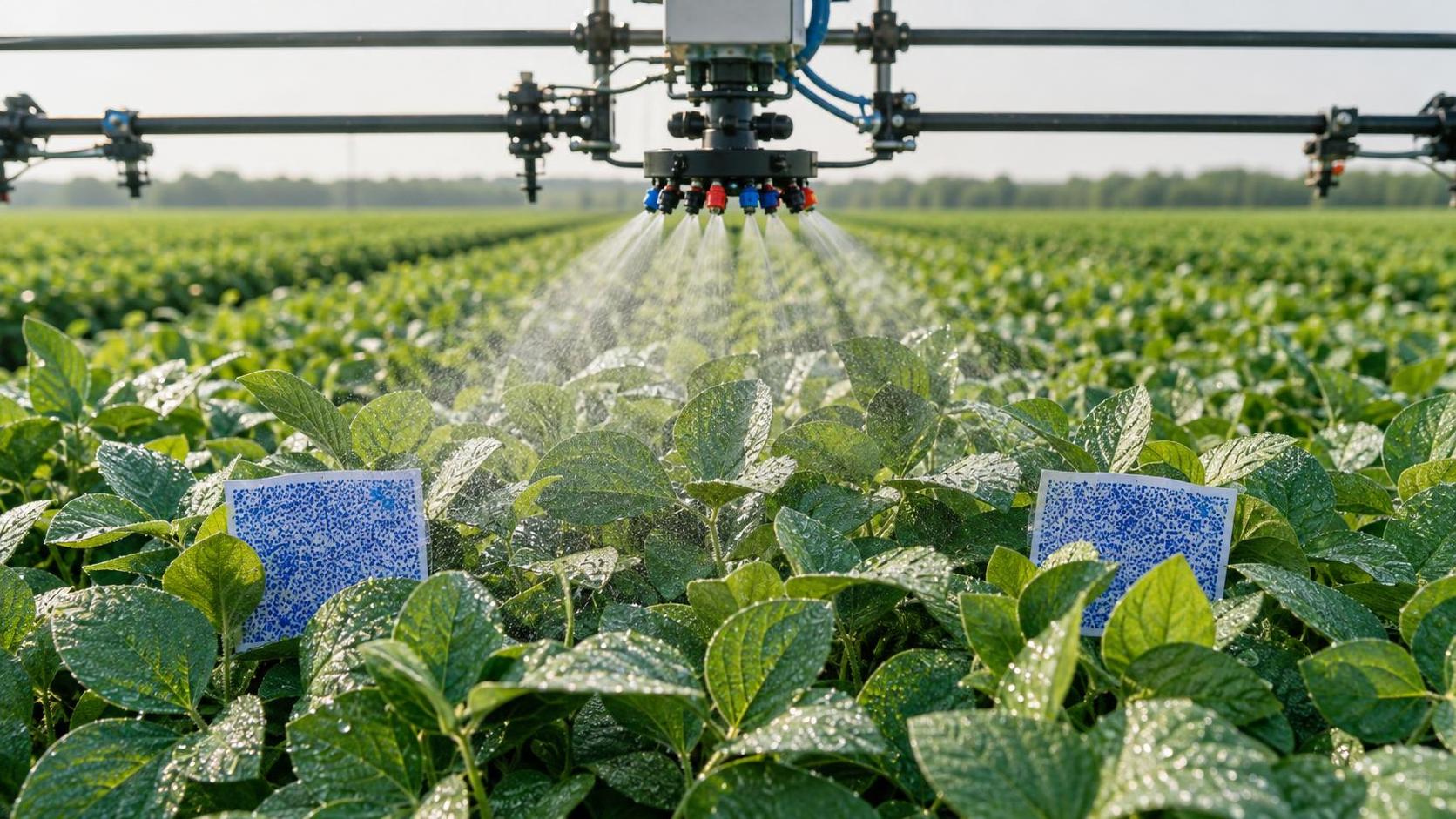
Poor spray coverage is especially damaging in dense crops, where untreated leaves or fruit can maintain disease and create the appearance of product failure.
Calibrate equipment regularly, select suitable nozzles, verify pressure, inspect filters, and adjust water volume for crop height, canopy density, and target location.
Do not rely on old rotation plans without reviewing current labels, newly introduced products, updated FRAC guidance, and local disease resistance information.
Expiration dates, storage temperatures, damaged packaging, and incorrect formulation handling can also affect product quality and should be checked before application.
For international supply chains, maintain communication with suppliers regarding inventory, shipment timing, local warehouse availability, certificates, and technical product documentation.
Pre-positioned inventory may help growers and distributors obtain alternative fungicide groups quickly when weather conditions change or demand rises unexpectedly.
However, purchasing decisions should still be based on legal registration, technical suitability, crop needs, and resistance-management strategy rather than availability alone.
A practical inventory plan includes more than one compatible fungicide mode of action, reducing the risk of forced repetition when a product becomes unavailable.
Operators, farm managers, distributors, and chemical suppliers should share accurate product information so rotation decisions remain workable from purchase planning through application.
Make Every Fungicide Application Part of a Resistance Plan
Effective fungicide rotation is not about using more products. It is about using the right active ingredients in a deliberate sequence based on real disease risk.
Identify FRAC groups, avoid consecutive applications with the same mode of action, respect label limits, and use mixtures only when every component remains effective.
Combine fungicide use with scouting, sanitation, canopy management, irrigation control, accurate application, and early disease detection to reduce overall selection pressure.
Keep detailed field records and review them after harvest, especially where disease control declined, weather was unusual, or fungicide programs required repeated intervention.
When product performance appears inconsistent, investigate application conditions and disease identification before assuming resistance, then seek qualified technical support when needed.
For growers and operators, the clearest rule is this: rotate fungicides by FRAC group, not by brand name, and plan alternatives before disease pressure peaks.
That disciplined approach protects crop yield today while helping preserve valuable fungicide tools for future seasons, farms, production regions, and supply chains.
Send Us Your Inquiry Today
To view the current overseas warehouse inventory list or obtain a tailored logistics solution, please contact us via the form on our official website or by email.